
Account Deactivation and Closure Key Things to Check

Most people close an account thinking it takes two minutes. Then they realise their salary auto-debit is still linked, or their wallet balance is gone, or they cannot withdraw because KYC was never done. These are not rare problems. Rushing through an account deactivation and closure without checking a few basic things can cost you money, time, or both.
This guide covers what to verify before you shut down any type of account in India, whether it is a bank account, a Demat account, a UPI wallet, or an online platform account.
Deactivation vs Closure They Are Not the Same Thing
Before anything else, understand which option you are actually choosing.
Deactivation is temporary. Your account goes inactive, no one can log in, but your data, transaction history, and balance usually stay untouched. You can come back later and reactivate it. Many platforms offer this as a take a break option, and it is the better choice if you are not 100 percent sure you are done.
Closure is permanent. Once confirmed, your account is deleted. On most platforms, your personal data is purged within 30 days of closure. If you had a balance and forgot to withdraw it, recovering it becomes very difficult. On regulated financial platforms, your KYC records may be retained for five years under the Prevention of Money Laundering Act PMLA, 2002, but the account itself will not be accessible.
If a platform is only offering you a permanent closure option and you want a temporary break, look for a self-exclusion, suspend, or freeze option in your account settings before confirming anything.
Check Your Balance First
This sounds obvious, but it is the most commonly missed step. Before starting the closure process on any platform, log in and confirm the exact balance sitting in your account.
On bank accounts, transfer any remaining amount to another account you actively use. On Demat accounts, either sell your holdings or transfer them to another Demat account before submitting the closure form. On UPI wallets like Paytm Payments Bank, note that balance transfer to an external bank account requires full KYC completion as per RBI guidelines. On online gaming or betting platforms, withdraw your full balance to your linked bank account first. Bonus cash typically cannot be withdrawn, but your deposited funds and winnings can and should be.
A platform will generally not close your account if a balance is still sitting in it. More importantly, if you close without withdrawing, getting that money back after the fact is a slow and uncertain process.
Complete Your KYC Before Requesting Closure
KYC Know Your Customer verification is a mandatory step on every regulated platform in India before a withdrawal can be processed. If your KYC is pending and you request account closure, the platform may put your withdrawal on hold even after you have submitted the closure form.
The safe order is complete KYC first, withdraw your full balance, then request closure. Do not skip the KYC step thinking you will sort it out after submitting the closure request. By then, your account access may be restricted.
This applies to bank accounts, stockbroking and mutual fund platforms, UPI wallets, and online gaming or sports betting accounts. Probo, for example, when it wound down its real-money gaming operations in 2025, specifically urged users to complete their KYC at the earliest to ensure smooth and timely withdrawal of balances.
Cancel All Auto-Payments and Standing Instructions
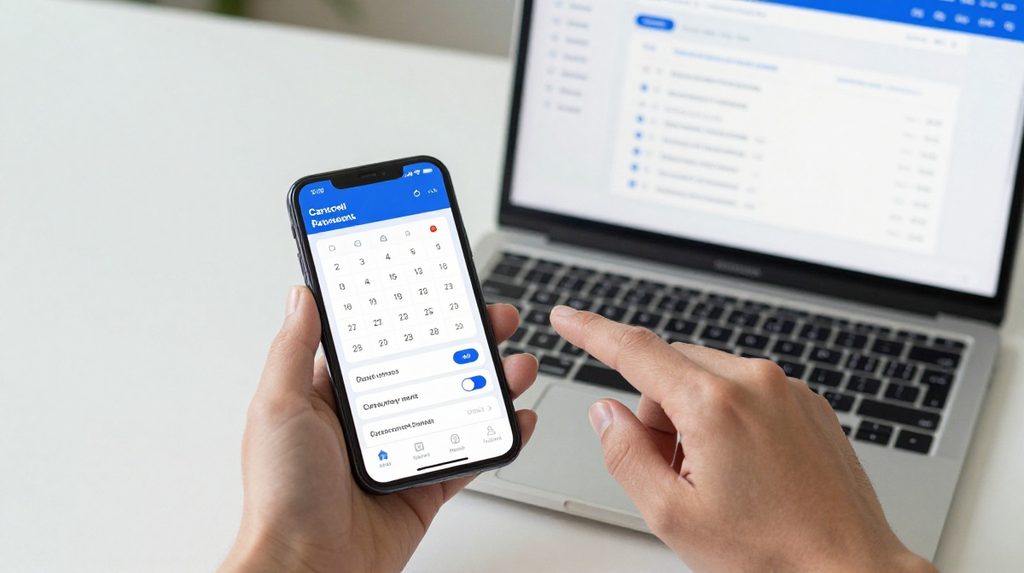
If you have set up any automatic deductions from your account, those do not stop automatically when you close the account. Electricity bills, OTT subscriptions, insurance premiums, loan EMIs, SIPs, or any recurring debit you have linked to that account must be individually cancelled or redirected.
Check your account statement from the last three months and list every recurring charge. Then either cancel those mandates or update the payment source to a different account before your closure takes effect. Failing to do this can result in failed payment charges, penalties from service providers, or worse, a missed loan EMI showing up on your CIBIL report.
For Demat accounts on platforms like Groww, all active SIPs must be cancelled before the platform will accept a closure request. The system checks this automatically, so you cannot skip it.
Know the Closure Timeline and Get Written Confirmation
Different accounts have different mandated timelines for closure in India.
For credit cards, the Reserve Bank of India requires card issuers to close the account within 7 working days of receiving a closure request, as long as all outstanding dues are cleared. If the bank fails to close the card within this window, it must pay Rs 500 per calendar day of delay to the customer. This rule comes from the RBI Master Direction on Credit Card and Debit Card – Issuance and Conduct, 2022. In a real case reported in April 2026, a Kotak Mahindra Bank customer received Rs 3.21 lakh after the bank failed to close two credit cards for nearly a year following the closure request made in May 2025.
For savings bank accounts, most banks in India process closure within 5 to 7 working days after all documents are submitted. Some banks charge a closure fee if the account is less than one year old, though SBI has waived closure charges for accounts older than one year.
For Demat accounts, the timeline is typically 2 working days under current NSDL and CDSL guidelines updated in 2025. No closure fee should be charged by the Depository Participant.
Whatever the timeline, always request written confirmation of the closure. A reference number, an SMS, or an email from the platform counts. Keep this record for at least a year.
Check for Linked Accounts and Services
Many accounts are connected to others. Closing one can affect several things at once.
On PhonePe, for instance, deactivating your account also disables your Share.Market account because they are linked. On some banking platforms, a savings account may be connected to a Demat account, a fixed deposit, or a recurring deposit. Closing the savings account may create complications for those linked services.
Before closing, ask the bank or platform which services are tied to this specific account. Get a clear answer in writing before proceeding.
If you use the lotus365 cricket platform or any similar online sports betting site, check whether your account is connected to a linked wallet or a bonus campaign that has conditions attached. Some promotions require you to keep your account active until a wagering requirement is met. Closing before that can mean forfeiting amounts you were entitled to.
Clear All Dues Before Submitting the Request
Any pending dues must be cleared before a closure can go through. This includes outstanding credit card bills, minimum balance penalties, loan repayments linked to the account, processing fees, or any negative balance.
Banks are within their rights to recover applicable service charges at the time of closure. RBI does not have a fixed cap on account closure charges for savings accounts, so these vary by bank. Check the terms before assuming closure is free.
For Demat accounts, SEBI regulations prohibit DPs from charging a closure fee. If your DP is trying to charge you for closing your Demat account, you can dispute this.
Collect and Store Important Documents
After your account is closed, you will not be able to log back in to retrieve statements, transaction records, or tax documents. Download and save everything you may need before the closure is processed.
For bank accounts, download the last two to three years of statements. For Demat accounts, save your contract notes and capital gains statements, since these are needed for income tax filing. For online platforms, download your transaction history, deposit proofs, and any receipts from the platform before the account goes offline.
If you downloaded the lotus365 apk and created an account on the platform, save your deposit and withdrawal records as proof of transactions, especially if those transactions passed through your bank account and may appear during tax assessments.
Monitor Your Credit Report After Closure
For credit cards and bank accounts, check your credit report about 30 to 45 days after the account is confirmed closed. The closure should be accurately reflected. An account that appears as open on your CIBIL report after you have closed it can create problems during future loan applications.
You can access your credit report for free once a year from CIBIL, Experian, CRIF High Mark, or Equifax. If the account status is incorrect, raise a dispute with the credit bureau directly.