How to Verify an Online Gaming Platform’s Licensing Claims


Imagine you found a sports betting app online. The footer shows a shiny license badge. The website says it is fully licensed and regulated. You deposit ₹2,000 and start playing. Two weeks later, when you try to withdraw your winnings, the support team stops responding.
This is not a made-up story. It happens to Indian players regularly, and the main reason is that most people never actually verify a gaming platform’s licensing claims. They see a badge and assume it is real.
This guide shows you, step by step, how to check whether a gaming site’s license is genuine before you put any money in.
A quick note before you begin: Online real money gaming is regulated differently across Indian states. States like Telangana, Andhra Pradesh, and Assam have banned it outright. If you live in one of these states, even a legitimately licensed platform may be legally off-limits for you. Always check your state’s rules first. When in doubt, speak to a lawyer.
Why Gaming Platform License Claims Are Often Misleading
India does not have one single national authority that licenses online gaming platforms. The Ministry of Electronics and Information Technology MeitY notified new regulations in April 2023, asking gaming entities to establish Self-Regulatory Bodies SROs within 90 days. These SROs are meant to review and certify which real money games are permissible. A certified game can display a visible registration mark, indicating it passed review by the self-regulatory authority.
But here is the catch. Many platforms operating in India are not registered with any Indian authority. They are licensed offshore, often from Curacao, Malta, or Gibraltar. Some display logos that look official but link to nothing. Others copy a genuine license number and paste it on their site. Knowing how to tell the difference could save you a significant amount of money.
Step 1: Check Whether the Platform Has an MeitY SRO Registration
Under India’s 2023 framework, a platform certified by an SRO can display an official mark or registration, theoretically giving users a quick way to distinguish verified operators from unregulated ones.
Here is what you do
Look for an SRO registration mark on the platform’s website, usually in the footer or on the About or Responsible Gaming page. The mark should not just be an image. It should be a clickable badge that links to the SRO’s own website, where you can cross-check the platform’s name and registration status.
If the badge is just a static image or the link goes nowhere, treat it as unverified.
One honest limitation SRO certification has no bearing on state laws that ban real money gaming. A platform can be fully SRO-certified and still be illegal to use from a state like Tamil Nadu or Andhra Pradesh. The SRO mark confirms process compliance at the central level, not legality in your state.
Step 2: Identify the Licensing Authority and Look It Up Directly
Most platforms targeting Indian users hold a Curacao license, because it is the most accessible offshore license for operators. Some hold licenses from the Malta Gaming Authority MGA or the UK Gambling Commission UKGC. Each of these bodies has a public registry.
Here is a simple table:
| Licensing Body | Where to Verify | Notes |
|---|---|---|
| Curacao Gaming Control Board (GCB) | portal.cga.cw | Official government portal |
| Malta Gaming Authority (MGA) | mga.org.mt | Strong regulation, detailed registry |
| UK Gambling Commission (UKGC) | gamblingcommission.gov.uk | One of the strictest regulators globally |
| Sikkim Government | Sikkim IT/Gaming Department | Relevant only for Sikkim-based operations |
| Nagaland Government | Nagaland licensing body | For skill-based games under the 2016 Act |
Go to the relevant official website. Find their License Verification or License Register section. Enter the platform’s name or the license number shown on the site. If the platform shows up in the registry with an active status, that is a positive sign.
Curacao eGaming launched a public licensee register where anyone can check whether a casino holds a valid sub-license. You can use this to cross-reference a Curacao license claim directly. If a platform claims a Curacao license but does not appear in the registry, that is a serious red flag.
Step 3: Verify the License Number, Not Just the Logo
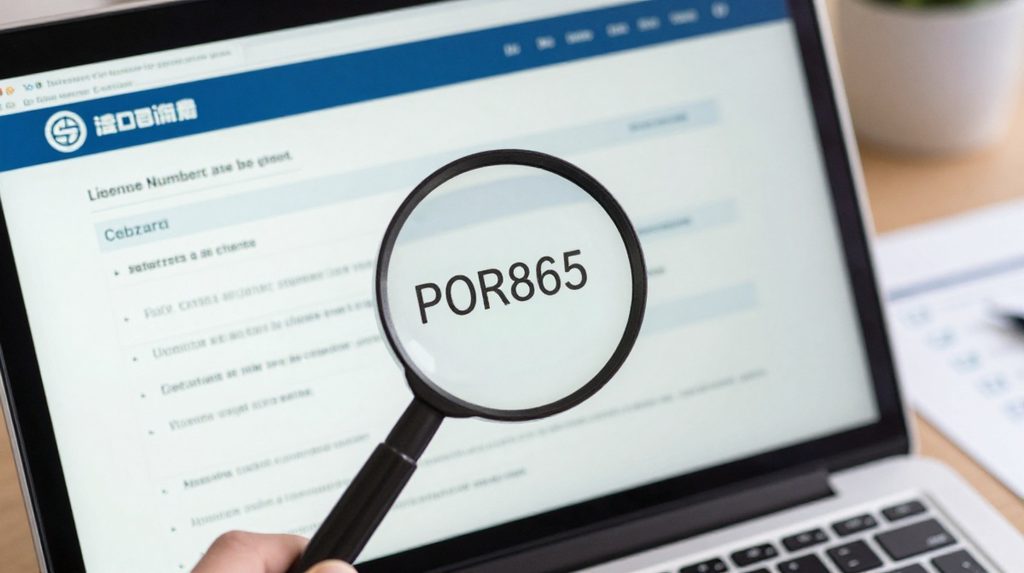
Any site can copy a license logo and paste it into their footer. What you want to check is the specific license number.
A real license number typically looks like a combination of letters and numbers for example, a Curacao license might say 365/JAZ or a similar format. Once you have the number, go to the licensing body’s official website and search for it.
If the license number on the site does not match any entry in the official registry, or if the registry shows the license as expired or suspended, stop. Do not deposit money.
Also check the expiry date. A license that expired a year ago is no longer valid, even if the platform still proudly displays it.
Step 4: Look for a Third-Party Audit Certificate
Legitimate platforms typically hire independent testing labs to verify that their games are fair and that the outcomes are not manipulated. The most recognised names in this space are eCOGRA, iTech Labs, and GLI Gaming Laboratories International.
Reputable operators partner with third-party testing agencies such as eCOGRA, iTech Labs, or GLI.
You’ll often find links to these audit reports in the platform’s footer or on a dedicated Fair Play page. Click those links. They should open a real page on the testing agency’s own website, not just a downloaded PDF you cannot verify.
For platforms offering lotus365 cricket and similar sports games, a valid RNG Random Number Generator certificate matters less than it does for casino slots. But an audit certificate for fair play practices and KYC compliance still adds credibility.
Step 5: Check the Platform’s India-Facing Transparency
Indian law, under the MeitY Online Gaming Rules 2023, requires online gaming intermediaries to be transparent about several things. Platforms must inform users about their policies on withdrawal or refund of deposits, the manner of determining and distributing winnings, fees and charges, and the KYC procedure for account registration.
If a platform does not clearly explain these things in plain language, that is a warning sign, regardless of what its license badge says.
Also check whether the platform has:
- A grievance officer who is an Indian resident (required under the 2023 rules)
- A clear complaints process with a ticket number system
- A responsible gaming section with deposit limits and self-exclusion options
If you are using a lotus365 apk or any downloaded app, apply the same checks. The app version should not bypass what the web version is required to display.
Step 6: Cross-Check with Known Watchdog Sites and News Sources

A quick search of the platform’s name along with words like complaint, scam, withdrawal issue, or fraud India can tell you a lot. Check forums like Reddit r/IndiaGaming, Google Play reviews, and reputable Indian tech news sites.
Be careful here: not every complaint means the platform is fraudulent, and not every positive review is genuine. Look for patterns. If dozens of users from different cities report the same withdrawal problem, that matters.
State-Wise Legal Status at a Glance
States like Goa, Sikkim, Daman, Meghalaya, and Nagaland have drafted specific laws to regulate public gambling. Sikkim regulates digital casinos under the Sikkim Online Gaming Regulation Act, 2008, while Nagaland regulates poker and online skill games under its 2016 Act.
States including Telangana, Andhra Pradesh, Odisha, and Assam have banned real money gaming outright.
A platform having a valid Curacao or MeitY SRO certification does not override your state’s local laws. Both checks matter independently.